Imagination is more important than knowledge. For knowledge is limited, whereas imagination embraces the entire world.
Albert Einstein, 1931
My mom wrote this for my 9th birthday, and it's been living in my head for 20 years. With AI it's more relevant than ever: all the world's knowledge is a prompt away, so what matters now is what we imagine doing with it.
I like messy problems. Not in a heroic way. I just get curious when something doesn't add up.
I was going to be an astronaut. I studied astronomy and physics young and had a roadmap for getting there. At 16 I realized I wanted to see the world up close, not as one big ball from space, so I changed course: traveling, meeting people, building things with my hands. When university came around, I'd just started working and was learning so much on the job that I didn't want to stop for a degree. From there: Branch Manager at a climbing gym at 22, then managing three e-commerce brands, then Acting CMO. More on that below.
Since 2022 I've worked alongside founders and business owners on their business strategy, marketing, the mindset behind it all, building new products, and roadmaps from where they are to where they want to be. I was also one of the co-founders of HiVE Business Gym for women entrepreneurs, a project that taught me a lot, including that success isn't the only fuel you need to keep something running. These days I live in Portugal with my wife, build things with AI, keep analyzing strategic moves, do a lot of sport, and look for new businesses to build sites for.
How I think
Most problems are framed wrong before anyone starts solving them. So the first job is asking “what's really going on here”, usually more times than feels polite. The second is turning the answer into something you can click, print or hold, and then sticking with it until it works.
Things I lean on
problem framing
customer insight
fast experimentation
systems and workflow design
growth and retention
Tools I use most days
Claude Code
Cursor
Codex
GitHub
Cloudflare
Figma
Miro
PostHog
GA4
Make
Resend
Vercel
Things I'm building
Some of the projects I've been working on lately. A few are already out, the rest are in progress.
The one I'm most into right now
Omora
in progress
Why I started
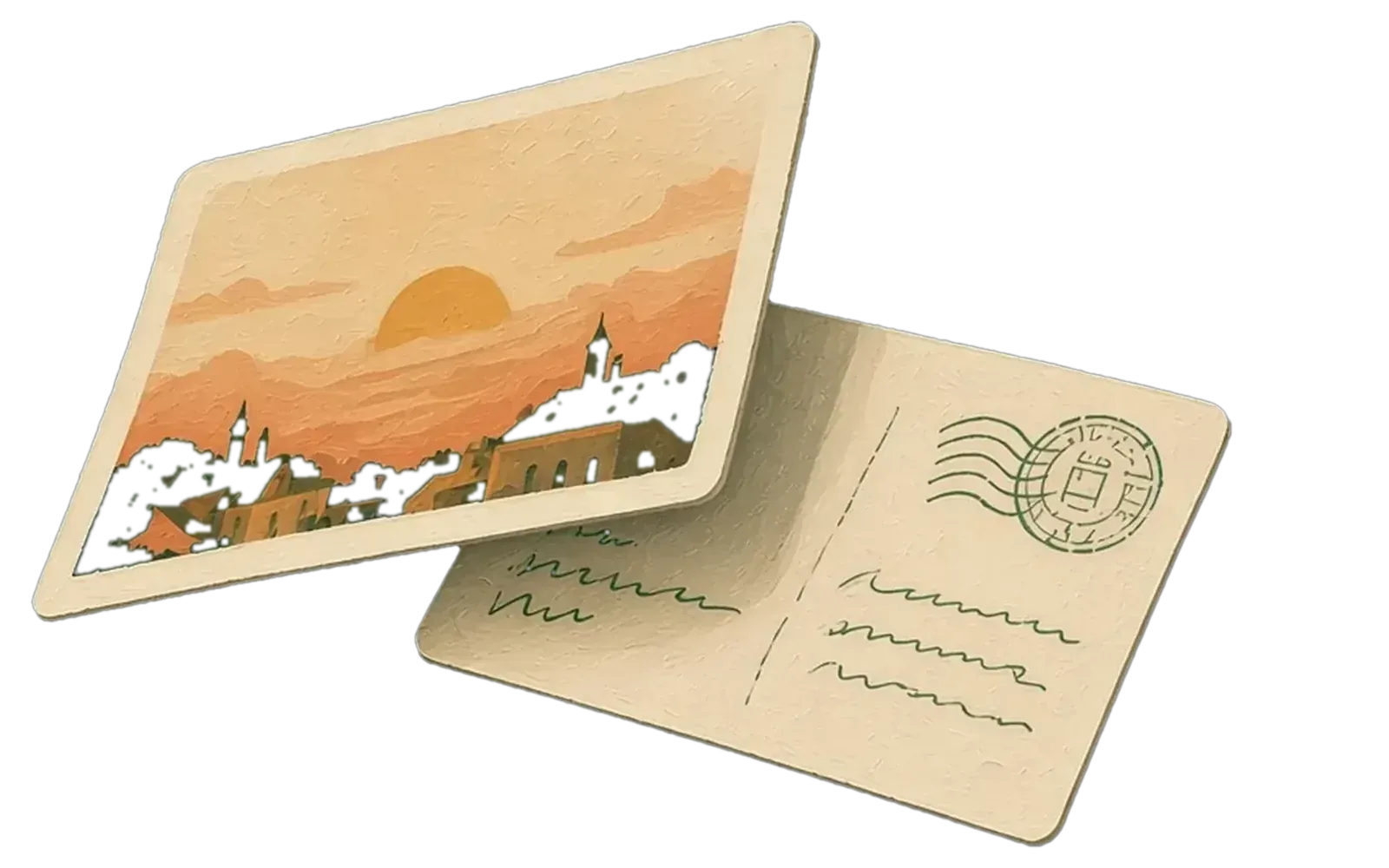
Living abroad, some relationships keep going and some fade over time. I wanted to share a moment with people far away, without the 40-minute call we never manage to schedule. Omora brings back what postcards did: one moment, no reply needed.
What I found
Building a cross-platform app with AI, from the first concept through product direction to the code itself, changes what one person can try in a week. It doesn't change how much you need to know about what you're building.
Next step
Step 4: building the sending experience. Then beta.
Resume Wrapped
live
Why I started
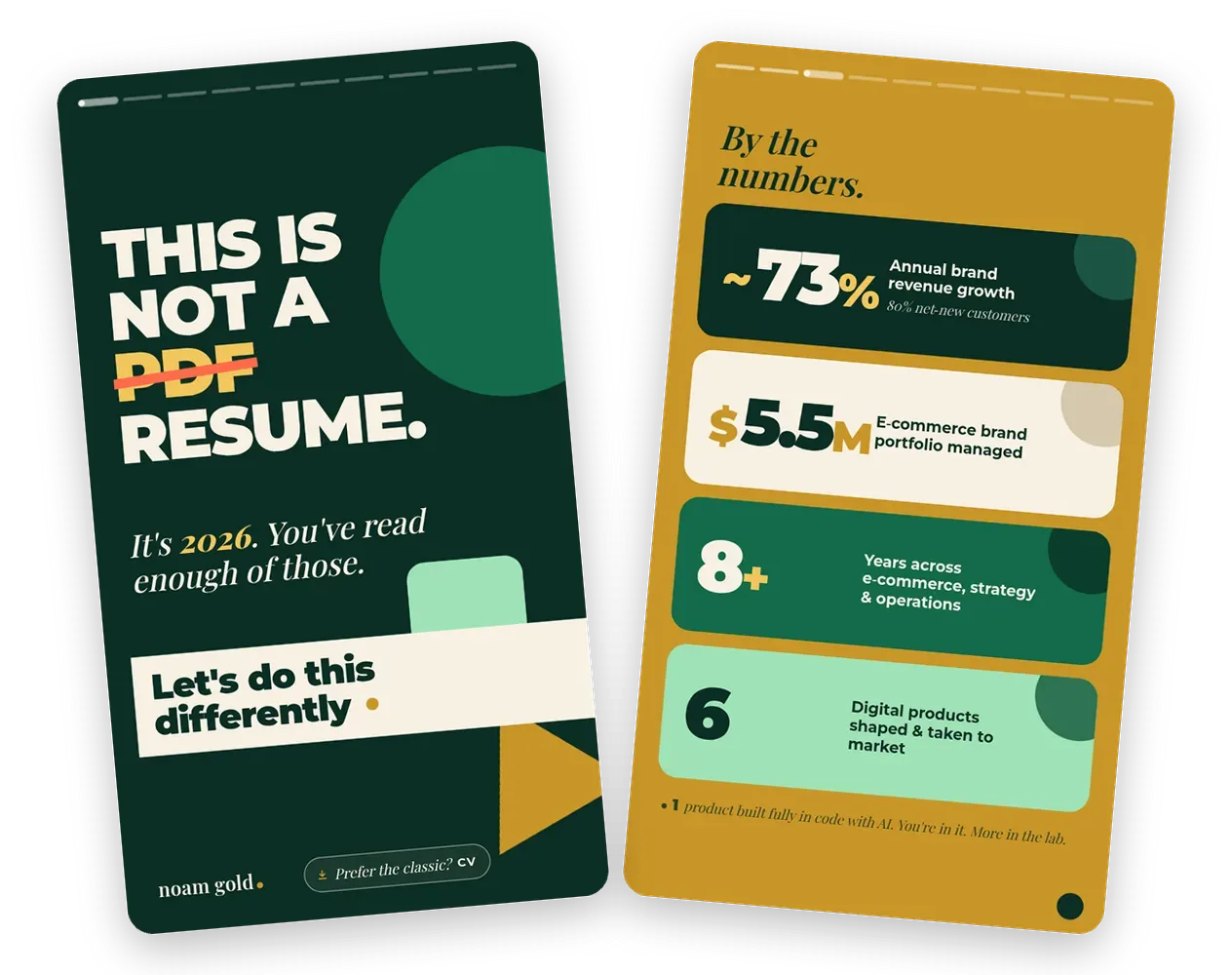
A PDF résumé never made anyone smile, so I tried building mine like a product.
What I found
Every product needs tracking fitted to its purpose. Here it was pace: which pages people reached, where they flipped fast and where they stayed. That showed what was relevant, and we improved the product based on the data.
Next step
Next comes tracking, data analysis and product optimization. And the open question: whether a résumé should be something you read, or something you play with. View live
Between Us
in progress
Why I started
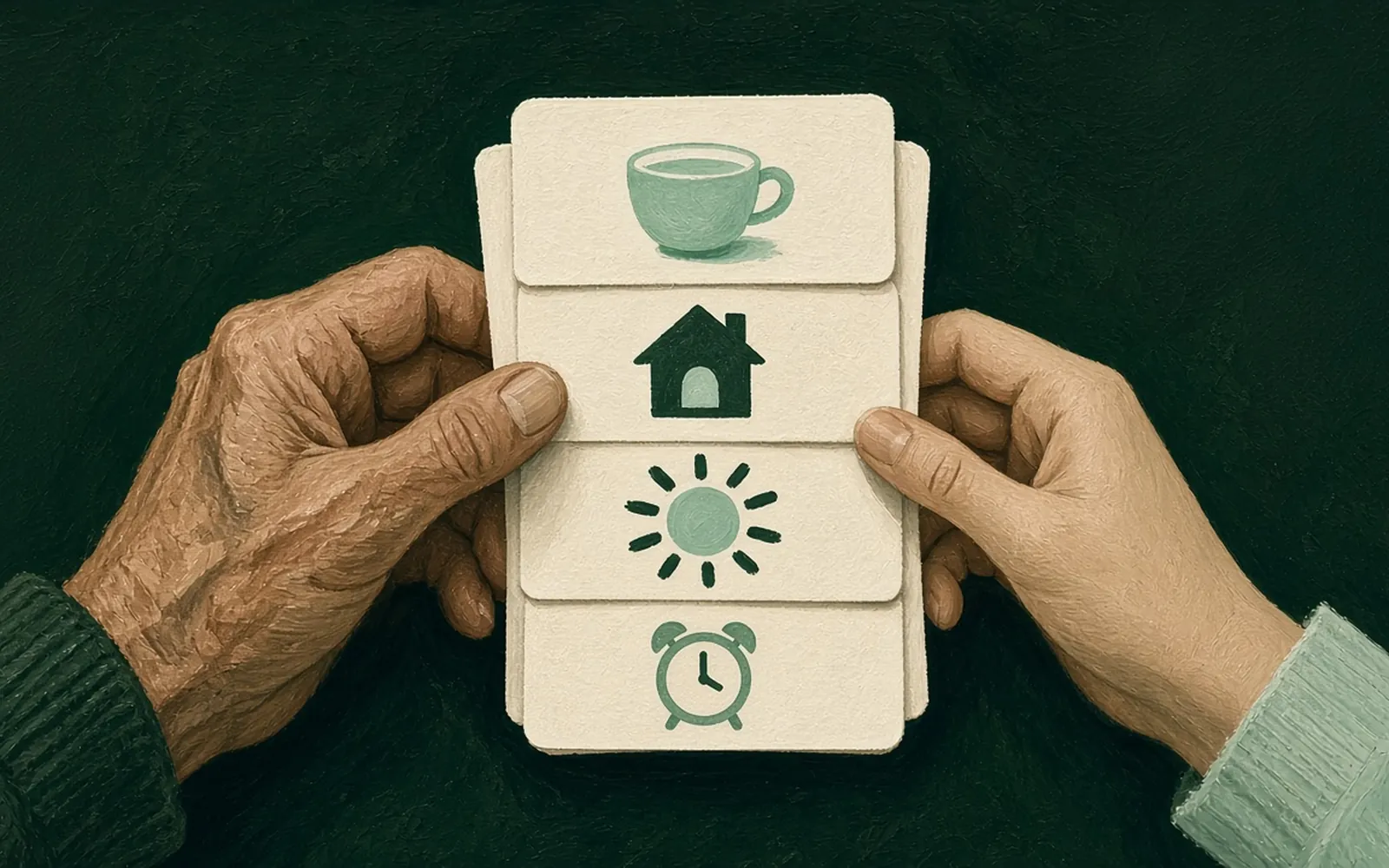
My grandfather is getting older and forgetting words, people and places. He wants to communicate, and it's getting harder. We want to help him feel less frustrated, and others like him who reach old age or live with memory loss.
What I found
In a product like this, building it needs digital, but the final product should be paper, because it's simpler to use.
Next step
Starting the pilot with my grandfather. If we see improvement, we'll share it further.
Sagarnu
built, on pause
Price quotes that make small businesses look sharp. Built for a small, annoying moment: the one where you send a price and hope it looks serious. It's on pause for now.
Things I've built
HiVE Business Gym
closed
marketing
sales
management
mental
social
Why we started
We wanted women entrepreneurs to train their business the way you train at a gym. So: coaching sessions, an Open Gym for doing the actual work, and five muscles to build: marketing, sales, management, mental, social.
What we found
It worked. We ran two full cohorts. But the model needed a level of commitment that the participants, women running their own businesses, couldn't give at that time, and success alone wasn't enough to keep it running.
Next step
I'd fold “social” into “marketing” if I built it again. And I still think about what a lighter version would look like.
Strategy, built
For me a strategy isn't finished when it's written down. Sometimes it's a plan. Sometimes it's the system that ends up running the whole place.
Israel Forest Kindergarten Organization
Three years with the founder on growth strategy and digital transformation. We built an internal management system from scratch, and launched the organization's first digital course, which brought them a new audience. I still help when they call.
Three data systems, three organizations
I like the moment a pile of spreadsheets becomes one place where people can actually see what's going on. I built large data management systems for EQL, the Israel Forest Kindergarten Organization, and Zomer Seminar.
Talking about it
50+ lectures and workshops on strategy, growth and business. Plus one founder I walked with from a solo business to a real team.
Sysolve A B2B tech company with smart, complicated products. I built their marketing from scratch, which mostly meant translating “data integrations and AI solutions” into something a person would want to read.
Focala Four months on the growth team of a company that helps brands get seen by AI search engines. I worked on the launch of a Claude Code course, which is a slightly recursive thing to market.
“Your read of people, of what's blocking them, and your ability to open minds are amazing.”
Osnat P.(translated from Hebrew)
How I got here
A short tour, including the parts that didn't go to plan.
01
The climbing gym
I started at the front desk. Three months later I was the Branch Manager, and at 22 I was setting up a new branch with a small café. I recruited and trained the team, and we beat the opening-day target. Then came the part nobody prepares you for, which is running the place every single day.
Front desk → Branch Manager in 3 months
02
House of Brands
I managed three e-commerce brands. On my second day, a glitch sold our entire inventory for $0. I learned more that week than in the month before it. Mostly that the first job is to understand what actually happened, and only then to fix it. After that, the thing I remember most is a mismatch: the audience we assumed and the people actually buying were not the same. We tested a separate product experience for the real buyers, and that's where the growth came from.
Later I moved into a company-level role as Acting CMO, working with the CEO, a US advisory board and the product teams behind two in-house SaaS platforms, and with shareholders and investors.
~73% annual revenue growth · 80% new customers
03
HiVE
Co-founded a business gym for women entrepreneurs. Two full cohorts, and a lesson in what it takes to keep something running.
04
The road
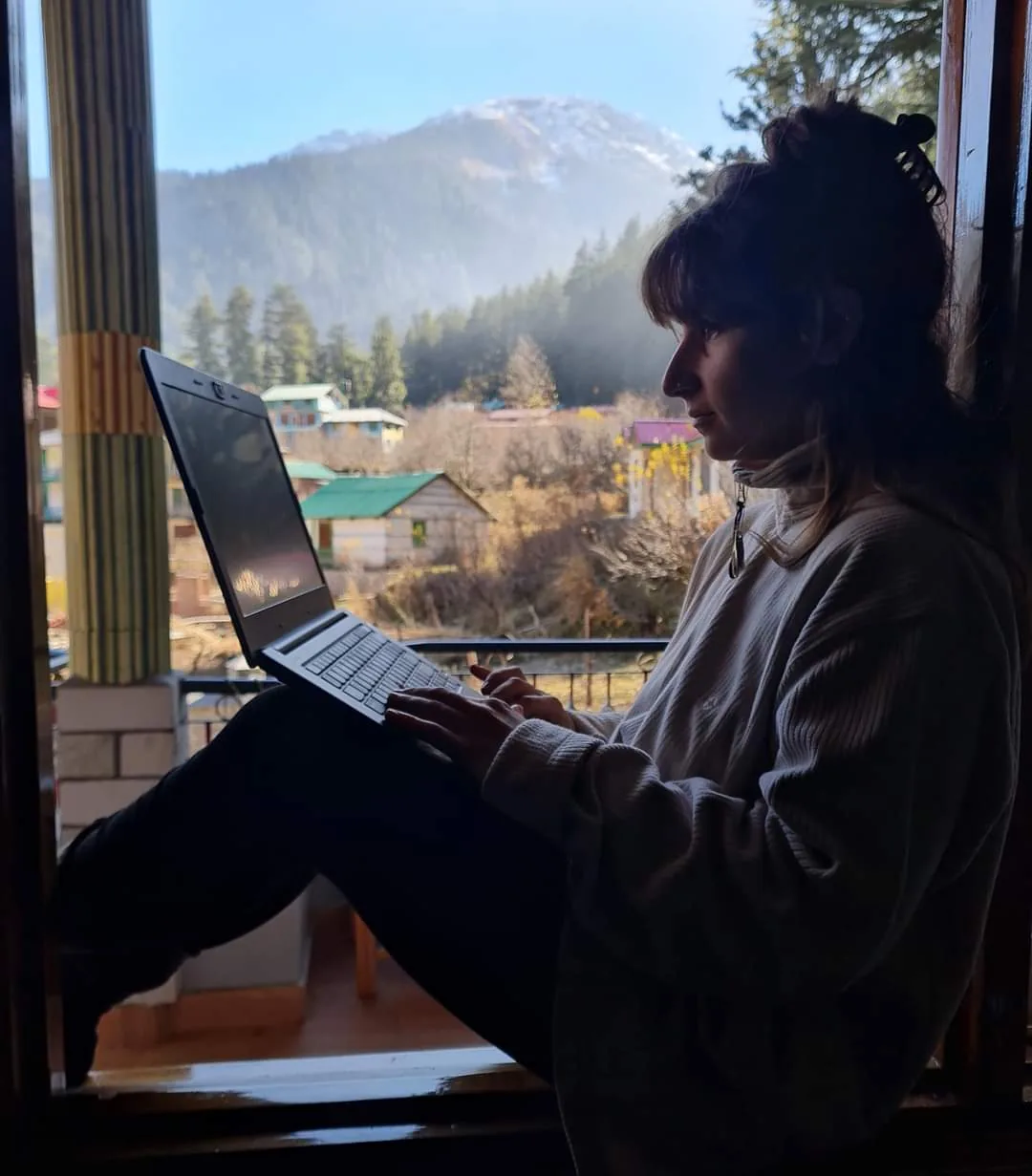
Almost three years traveling the world, working remotely and exploring. For almost two years now we've lived in Portugal.
Things I learned the slightly expensive way
1
Check who's actually buying.
The audience you planned for isn't always the one paying, and the gap is usually where the growth is.
2
Find the bottleneck before the plan.
Big goals usually hide one real blocker. Solve that one, and the plan gets shorter.
3
Ask the people doing the work.
They know where the process breaks long before any dashboard does.
4
Stopping is a decision too.
Something can work and still not fit what people can give right now. HiVE taught me that.
5
Choose the format before the features.
For my grandfather, the right answer was paper, not an app.
What people tell me
The best feedback is the kind that shows results. Like this one, two months after we worked on a marketing strategy together:
“The strategy you sat down with me on is working great, and the Facebook advertising based on it is bringing results. … It's crazy how much things changed in two months.”
Avital C.(translated from Hebrew)
Writing
I'm starting to write things down: building with AI, strategy, and what I keep getting wrong. First piece coming soon.
When I'm not building
Climbing, running and pickleball.
Let's talk
Write to me. I'd love to hear what's on your mind: an idea, a question, something you're stuck on, or just a hello from Portugal or anywhere else.